
Designed to protect. Built with recyclability in mind.
We are driven to do more, with less. That’s why our packaging is stripped down to the essentials: Halopack uses only cardboard and a thin layer of plastic, reducing complexity from production to disposal. The result is a packaging solution that prioritizes functionality, uses a simplified material structure, and supports the customers experience when it’s time to recycle.
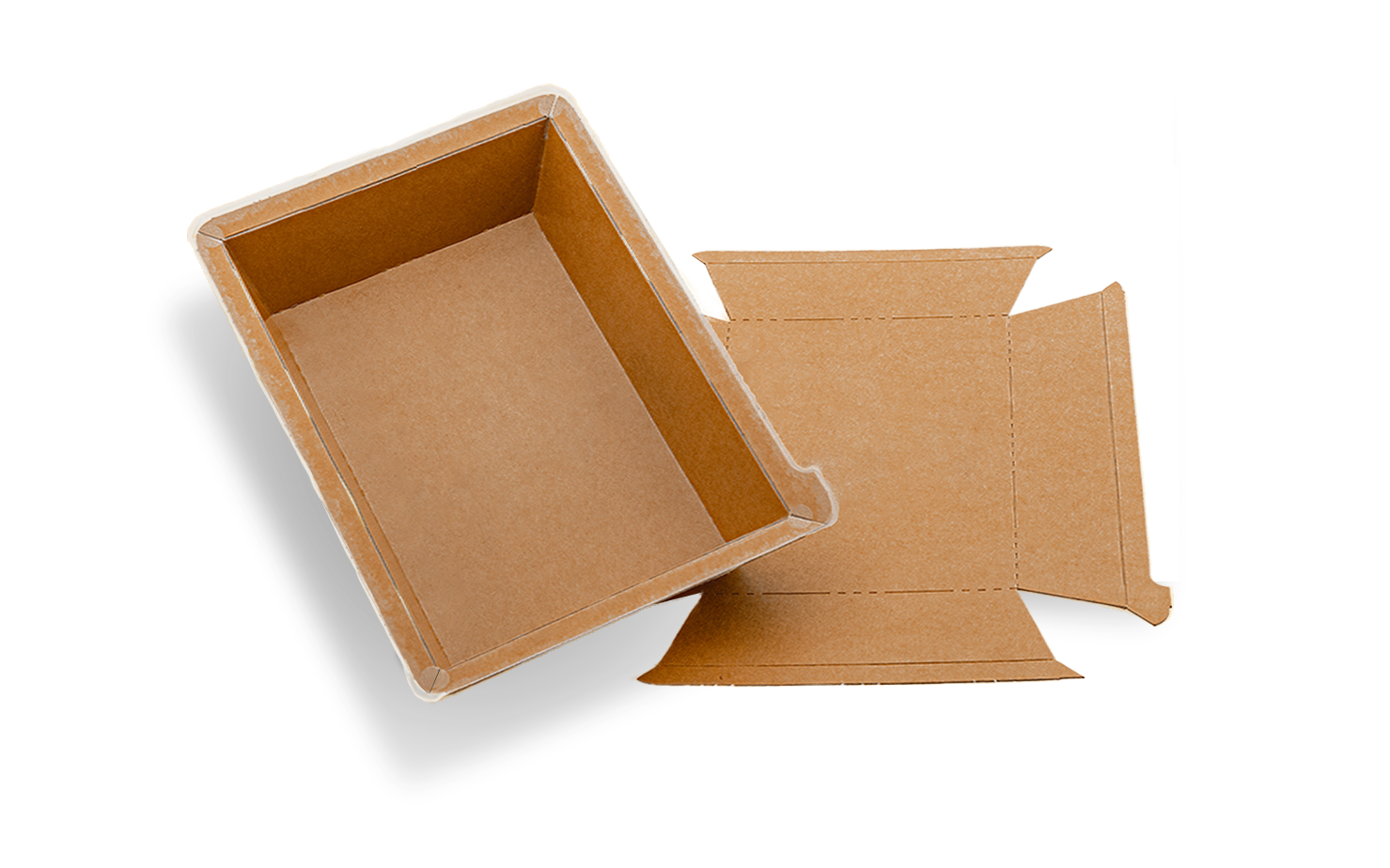
Since 2012, cardboard has been the foundation of every Halopack tray. We chose cardboard because it combines versatility, functionality and familiarity. It supports a wide range of food applications and is already part of the recycling routines consumers know and use. Making cardboard the primary structural component of our trays allowed us to develop a packaging concept built around a simple idea: use the right material for the right function.
Good packaging should do more than look good. By combining Modified Atmosphere Packaging (MAP) technology with an ultra-thin plastic barrier layer, our trays are designed to help protect products and support shelf-life performance. The goal is simple: helping food stay fresh for longer throughout the supply chain. Reducing food waste is a shared responsibility. By developing packaging solutions that help maintain product quality and freshness, Halopack strives to play its part.
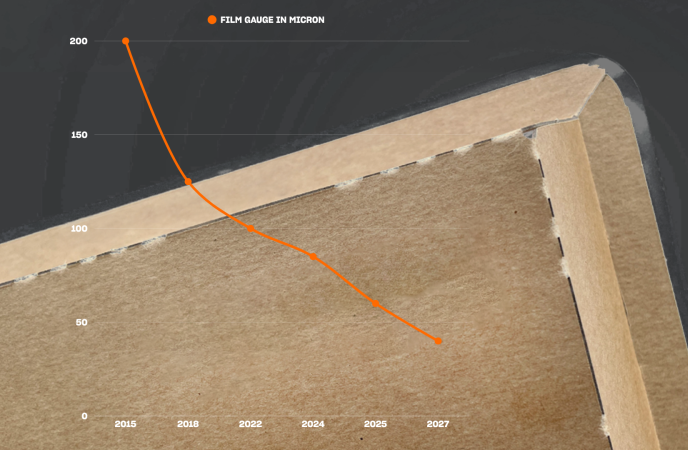
Food protection comes first. Whether we like it or not, plastic remains essential for preserving freshness and ensuring food safety. For us, innovation isn’t about adding more. It’s about removing what isn’t needed. We continuously reduce plastic use* while maintaining the performance food packaging demands.
*Halopack’s film reduction in micron over the years.
The cardboard tray and plastic liner are designed to work together during use and separate easily afterwards. Simply peel the plastic layer off the board and sort each component according to local waste and recycling systems.

Simple by design. Backed by facts.
packages delivered in 2024.
production partners worldwide, helping us manufacture closer to our customers.
tray models providing flexibility across products, categories and packaging lines.
less plastic than conventional plastic trays, depending on the model and food applications.


